
Google has introduced Android 15, which incorporates improved security measures including sophisticated anti-theft features. These elements are aimed at safeguarding user data and privacy, with an emphasis on preventing, detecting, and addressing theft situations.
 |
| Google's Theft Detection Feature |
Google has launched Android 15, which introduces an innovative theft detection feature, enhancing both user interface and privacy for mobile devices. This latest update is a game-changer for Android users, particularly with the increasing dependency on smartphones for essential tasks such as online banking, storing sensitive data, and documenting personal experiences.

Enhanced Security Measures Across the Board
In an age where digital security is paramount, Google has stepped up its game with several key enhancements aimed at preempting theft attempts. Among these is an upgraded factory reset protection layer that prevents thieves from resetting and selling stolen devices without the original owner's credentials. This move not only makes theft less appealing but also reinforces the resale value protection of Android devices.
Another significant addition is the Private Space feature, which provides users with a secure area on their phones to store sensitive applications and data. This feature is crucial for protecting personal information from unauthorized access, boosting user confidence in data security on their mobile devices.
Google has also implemented stricter authentication protocols. Now, changes to critical device settings, such as deactivating 'Find My Device' or altering screen timeout settings, will require owner verification via PIN, password, or biometric data. This ensures that substantial modifications are gatekept by robust security checks, safeguarding user data even in the event of unauthorized access.
Proactive Theft Detection and Response
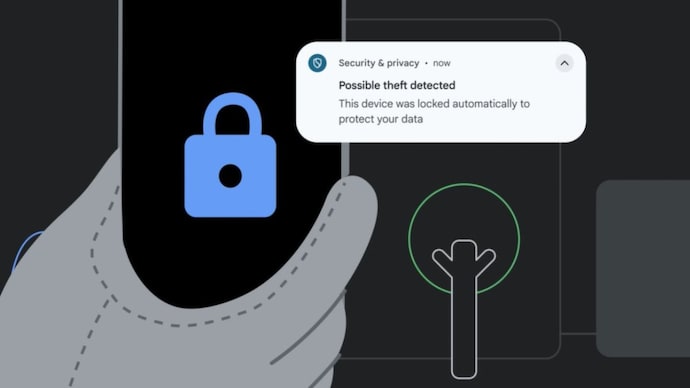
Google's Android 15 introduces automatic protection features that actively respond to potential theft. This proactive stance is powered by advanced AI technology, which distinguishes typical theft motions—like snatching the phone away. Upon detection of such activity, the device automatically locks, thus securing the data against unauthorized access instantaneously.
Moreover, the Offline Device Lock feature enhances this protection by locking the device if it is disconnected from a network for prolonged periods, which is a common tactic used by thieves to avoid tracking. The system's sophisticated algorithms also help in detecting unauthorized use patterns, such as repeated failed unlock attempts, which trigger an automatic screen lock.
Assisting Users Post-Theft
To aid users after a theft incident, Android 15 enhances its security portfolio with features that simplify the recovery and security process. The new Remote Lock function permits users to lock their devices remotely through another device just using their phone number. This feature is designed to provide immediate protection, allowing users enough time to recover their account details and take further steps to secure their data.

Conclusion
With Android 15, Google not only enhances the functionality and aesthetic of its operating system but also fortifies the security framework necessary in our increasingly digital life. The new theft detection and preventive features are timely additions that will undoubtedly make Android devices safer and more secure for all users.